MCH vs Ceramic Heating Plate: Which Fits Your Appliance Design?
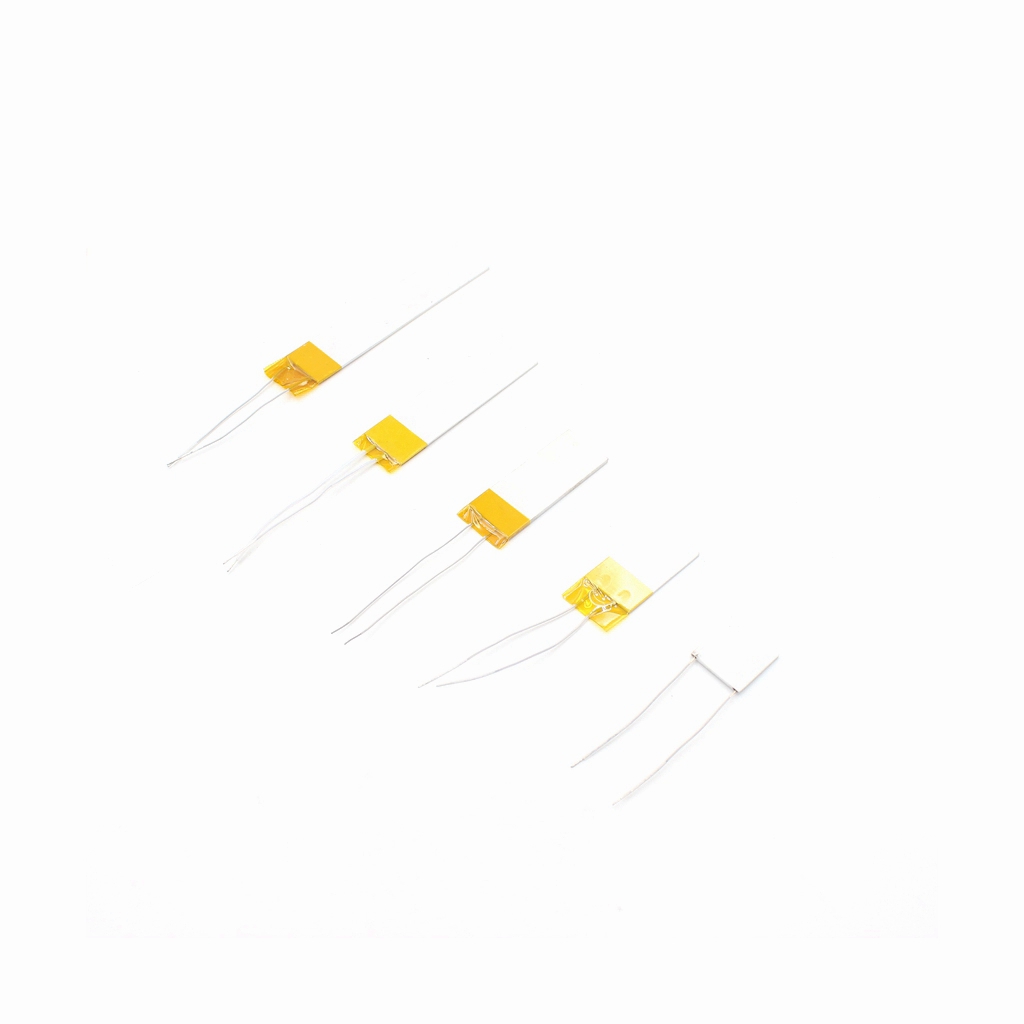
Both MCH (metal ceramics heater) elements and conventional ceramic heating plates are used where a compact, electrically insulated heat source is needed. They look similar in a product photo, but their construction and thermal behaviour are quite different — and choosing the wrong one can leave an appliance missing its warm-up time or thermal uniformity target.
Construction difference
An MCH element is a resistive circuit printed on an alumina ceramic green sheet, laminated and co-fired at high temperature into a single monolithic chip. The heater and the substrate are effectively one piece, so there is very little thermal mass and almost no interface resistance.
A conventional ceramic heating plate typically embeds a resistance wire or element within or against a pressed ceramic body, often with a metal housing or a separate mounting plate. It is mechanically robust and can be made in larger sizes and shapes at a lower cost.
Where MCH wins
- Warm-up speed — low thermal mass means the surface reaches temperature in seconds.
- Efficiency and control — heat goes straight into the load with fast response to PID adjustments.
- Compact size — ideal where space is tight: hair tools, medical and beauty devices, small appliances, cartridge-style heaters.
- Temperature uniformity on a small active area, since the printed circuit can be laid out to distribute heat deliberately.
Where a ceramic plate wins
- Larger heated areas and higher total power at a more economical price.
- Mechanical ruggedness for industrial equipment, soldering and welding fixtures.
- Insulation strength and corrosion resistance in sustained high-temperature duty.
- Lower tooling cost for low-volume or frequently revised designs.
How to decide
Start with three questions: how fast must the surface reach temperature, how large is the heated area, and how tightly must temperature be held? Fast, small and precise points to MCH. Large, rugged and cost-sensitive points to a ceramic plate. If the design also needs custom geometry, terminals or an integrated sensor, discuss it at the drawing stage — both technologies can be customised, but the tooling routes differ.
For either technology, specify the operating voltage, target surface temperature, allowable overshoot, mounting method and the material being heated. These inputs matter more to the final recommendation than the product name.
Frequently asked questions
Can MCH elements be made in custom shapes?
Yes, within the limits of the ceramic laminate process. Custom outlines, electrode positions and resistance values are common for OEM volumes, but tooling costs mean it suits production runs rather than one-off prototypes.
Which one lasts longer?
Both are long-lived when operated within their rated temperature and with proper control. Life is usually shortened by thermal cycling, mechanical shock or running in air without a heat sink, not by the choice of technology alone.
Do I need a temperature sensor?
For any application with a target surface temperature, yes. MCH responds very quickly, so a sensor placed close to the heated face and a properly tuned controller are important to avoid overshoot.