Silicone Heating Pad vs PI Heating Film: How to Choose
Both silicone heating pads and polyimide (PI) heating films are flexible etched-foil heaters, and they are often confused because both are thin, bendable and can be built to almost any shape. The difference is the insulation system around the heating element — and that single choice determines where the heater can be used, how long it lasts and what it costs.
What each heater actually is
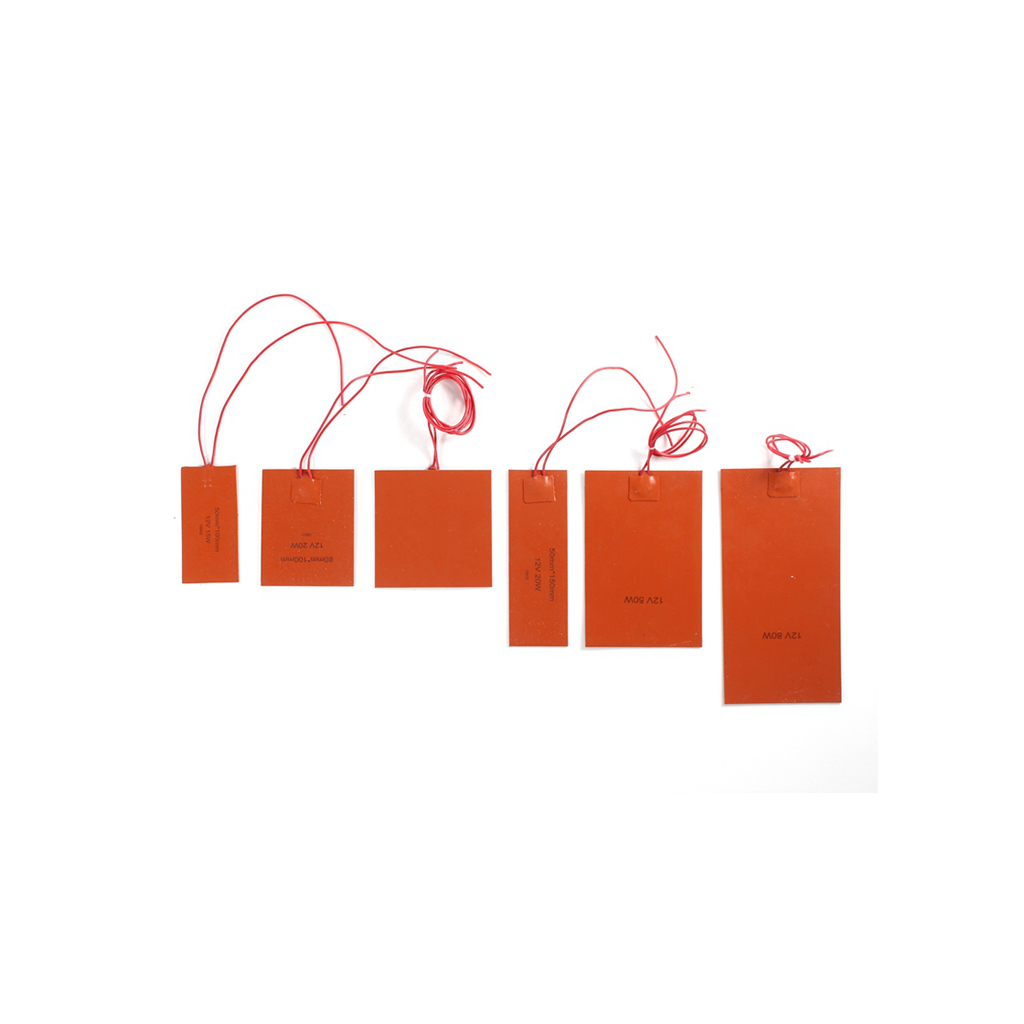
A silicone heating pad sandwiches an etched resistance foil between layers of fibreglass-reinforced silicone rubber. The rubber is the electrical insulation, the mechanical protection and the moisture barrier at the same time.
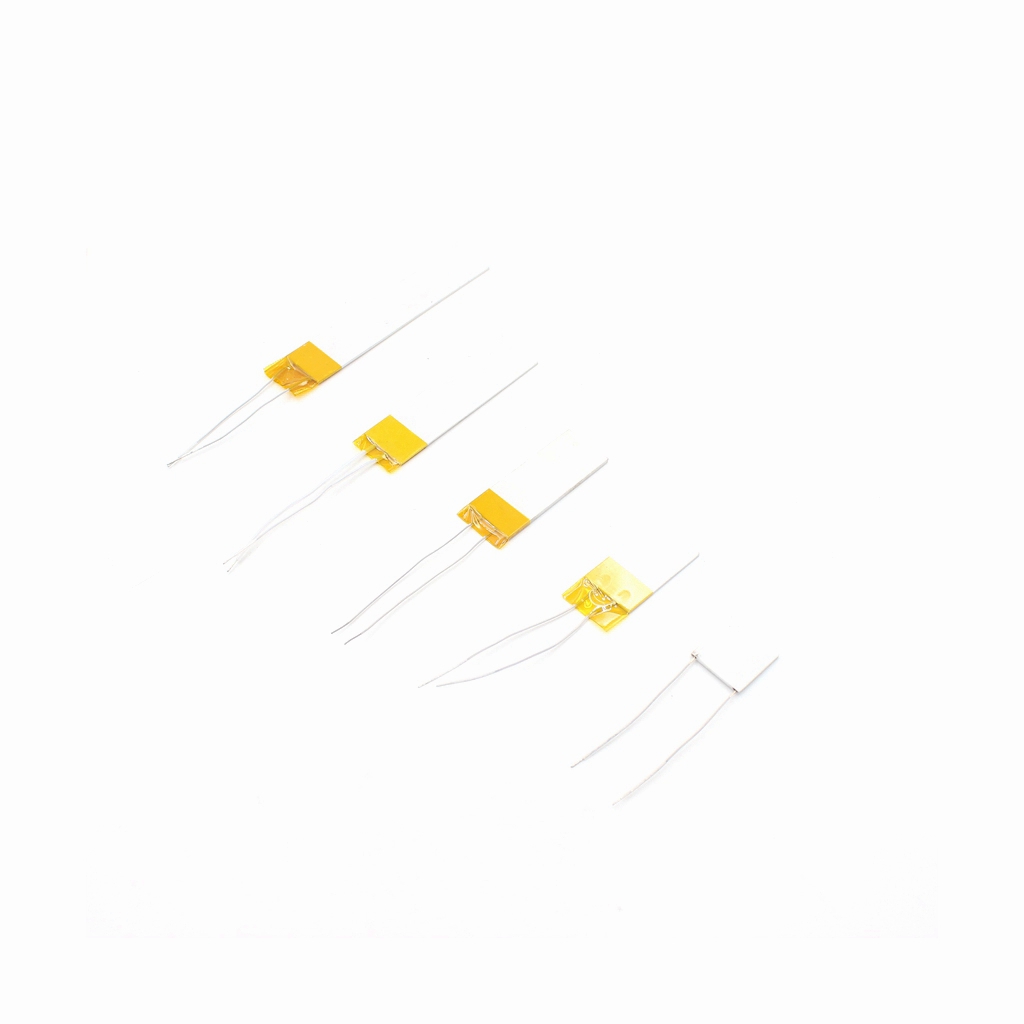
A PI heating film uses the same etched foil but bonds it between thin sheets of polyimide (Kapton-type) film with adhesive. The result is an extremely light, thin laminate — typically well under 1 mm — with very low thermal mass.
Side-by-side comparison
| Factor | Silicone heating pad | PI heating film |
|---|---|---|
| Construction | Etched foil in silicone rubber + fibreglass | Etched foil laminated in polyimide film |
| Thickness / weight | Thicker, heavier | Ultra-thin, very light |
| Continuous temperature | Higher; suited to sustained industrial duty | Lower; check the specific grade datasheet |
| Moisture / washdown | Excellent — can be built sealed and waterproof | Limited — edges and adhesive need protection |
| Conformability | Good on gentle curves, compressible | Excellent on tight, flat or lightly curved surfaces |
| Large formats | Economical up to large areas | Cost rises quickly with area |
| Typical use | Oil pans, 3D printer beds, tanks, outdoor equipment, lab devices | Avionics, sensors, battery packs, optics, precision instruments |
Exact temperature ratings, watt density and dielectric strength vary by construction. Always confirm them against the supplier's datasheet for your specific build rather than assuming a category-wide value.
Choose silicone when
- The heater faces moisture, condensation, oil or occasional cleaning.
- You need a large heated area, a robust lead exit or an integrated thermostat/thermocouple.
- The part has a gentle curve and you want the pad to compress slightly against it.
- Cost per heated area matters more than a few grams of weight.
Choose PI film when
- Thickness and mass are the limiting constraints (aerospace, handheld, wearable or optical assemblies).
- You need fast thermal response and precise, uniform heat in a small area.
- The environment is dry, clean and mechanically protected.
- PSA backing and a simple peel-and-stick installation are preferred.
Installation and control: the part people get wrong
Whichever technology you pick, heater life is usually decided by contact and control, not by the element itself. Air gaps create hot spots; a sensor placed too far from the heated surface causes overshoot. Use even pressure or a proper adhesive bond, put the thermocouple close to the load, and add an independent thermal cut-off where a runaway would be unsafe. Flex the heater to its final shape before applying power, and never energise a pad that is not in contact with a heat sink.
For high-volume assemblies, ask for the sensor, connector, lead length and mounting holes to be integrated into the heater drawing at the design stage — retrofitting them later is far more expensive.
Frequently asked questions
Are silicone heating pads waterproof?
They can be manufactured as sealed, waterproof constructions with moulded lead exits, which is why they are common on outdoor and washdown equipment. Confirm the IP rating and the sealing method with your supplier rather than assuming every silicone pad is sealed.
Can I cut a flexible heater to size?
No. Cutting through an etched-foil element changes the resistance, creates an uninsulated edge and can produce a dangerous hot spot. The outline must be defined before the foil is etched.
Do I need a temperature controller?
Yes for almost any real application. A self-limiting PTC element is the main exception. For foil heaters, a thermostat, thermocouple or PID controller matched to the load is what keeps surface temperature stable and prevents overheating.