Nichrome Heating Wire: Gauge, Resistance and Temperature Limits
Nichrome (Ni-Cr) wire is the heating element behind countless industrial furnaces, appliances and laboratory devices. Selecting it is an electrical design exercise as much as a materials one: wire gauge sets the resistance, resistance sets the current at a given voltage, and the resulting surface loading sets the operating temperature and the life of the element.
Pick the alloy family first
Ni-Cr alloys (commonly Ni80/Cr20 and similar grades) offer good oxidation resistance, stable resistivity and low temperature coefficient of resistance, which makes power output predictable as the element heats. Fe-Cr-Al alloys tolerate higher temperatures and are often chosen for furnaces, while Ni-Cr is widely used where ductility, repeated cycling and ease of winding matter. Confirm the maximum recommended element temperature for the specific grade — exceeding it accelerates oxidation dramatically even if the wire does not melt.
Gauge, resistance and the power calculation
- Decide the supply voltage and the target power (or target temperature and heat load).
- From P = V² / R, derive the total resistance the element needs.
- Convert that into wire length using the resistance-per-metre figure for the chosen alloy and gauge (thinner wire = higher resistance per metre).
- Check the resulting surface load (watts per cm² of wire surface). This is the real life-limiter: the same total power spread over a longer, thinner wire runs cooler and lasts longer.
Supplier datasheets give resistance per metre for each gauge. Ask for the actual values with the batch, since small diameter tolerances shift resistance noticeably.
Coil geometry and supports
Wire is usually wound into a coil to fit a long element into a short space. Coil pitch and mandrel diameter affect how well the coil sheds heat: tightly packed coils run hotter because adjacent turns radiate into each other. Allow for thermal expansion at working temperature, support the coil in ceramic or refractory fixtures, and keep it clear of metal parts that could short the element. Leads should be a heavier gauge or a dedicated low-resistance connection so the terminals stay cool.
What shortens element life
- Operating above the alloy's recommended temperature, even briefly.
- Repeated on/off cycling that grows and spalls the protective oxide layer.
- Contamination from oils, fluxes or process vapours.
- Hot spots where the coil is compressed, touching a support or locally thinned.
- Running in a reducing or sulphur-bearing atmosphere without the correct alloy.
Frequently asked questions
What information do I need to order nichrome wire?
Alloy grade, wire diameter or gauge, required resistance per metre (or target total resistance), quantity, and the intended operating temperature. If you are designing from scratch, share the supply voltage and target wattage instead and the gauge can be recommended.
Does the resistance change when the wire is hot?
Yes, but Ni-Cr has a relatively low temperature coefficient of resistance compared with pure metals, which is one reason it is used for heating elements. Use the manufacturer's hot-resistance data when the design is temperature-critical.
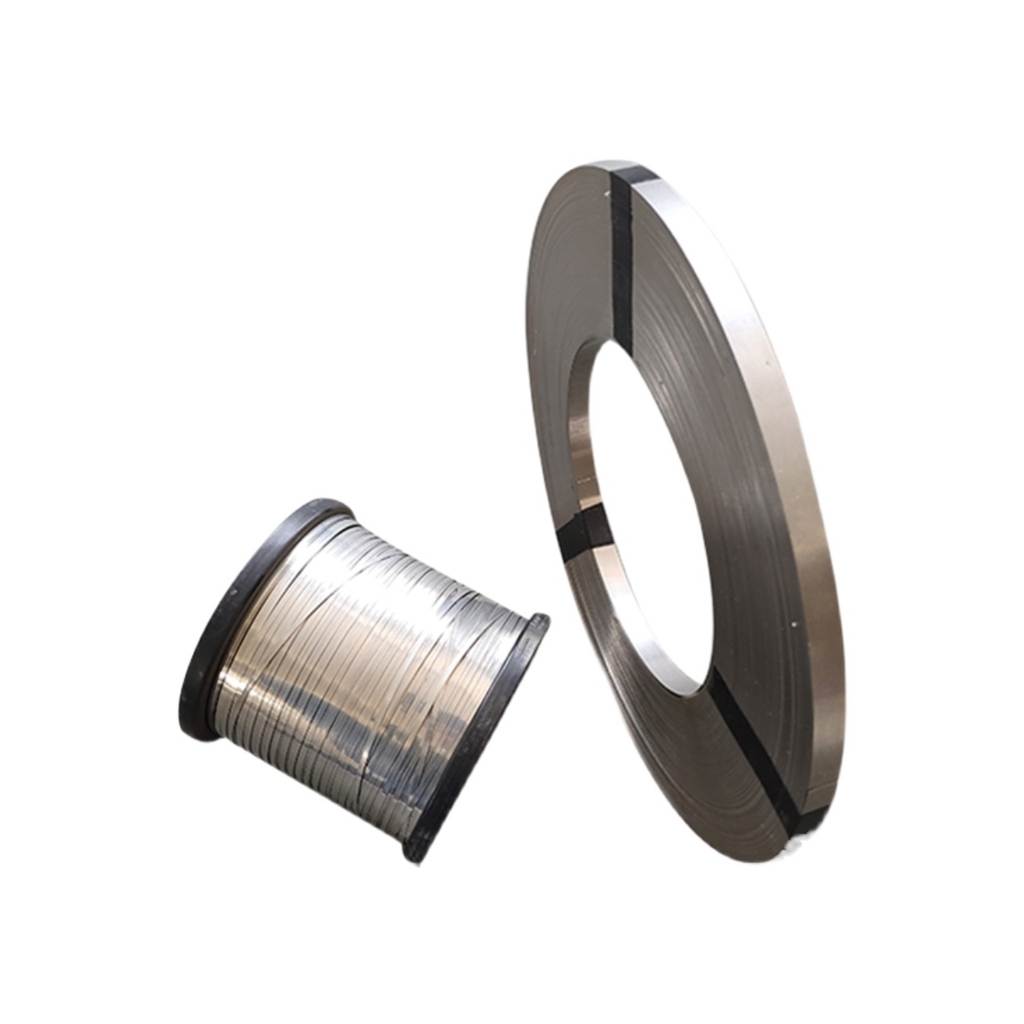
Can nichrome wire be supplied in coils or cut lengths?
Both. It is commonly supplied on spools, as pre-wound coils, or cut to specified lengths for production assembly. State the form you need when requesting a quote.